
How Estimators Set Up Project Success Through Smart Planning Budgeting and Timelines
A project rarely fails on the day something goes wrong. The warning signs usually appear much earlier, in a missed allowance, a vague scope note, a late material order, or a timeline built on hope rather than evidence.
That is why the preparation stage matters so much. Before work begins, the estimator turns an idea into something the whole team can plan around. They read the brief, test the assumptions, price the work, check the resources, and help shape a timeline that can survive real-world pressure.
A skilled estimator does more than produce a number. They help answer the key questions that decide whether a project starts with control or confusion:
What will this really cost?
What labour, materials, plant, and specialist input will be needed?
Where are the risks hiding?
How long should each stage take?
What needs to happen before work can begin safely and efficiently?
When those answers are clear, the project team has a stronger base to build from.
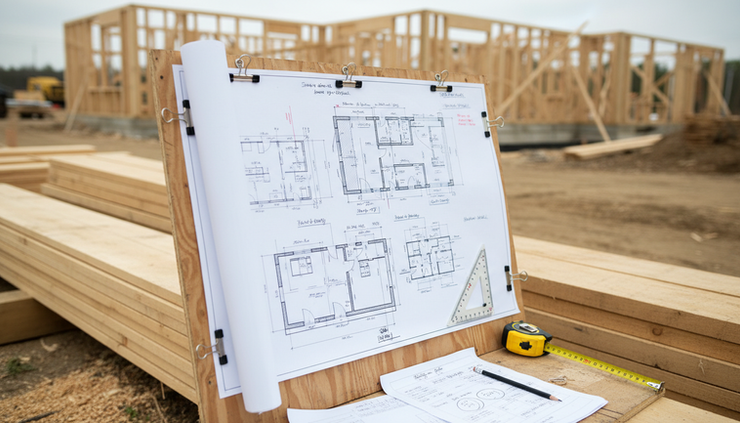
The estimator turns a rough idea into a workable plan
At the start of a project, the brief may feel exciting but unfinished. There may be drawings, outline specifications, early design notes, or a simple description of the desired outcome. The estimator’s first task is to make sense of it all.
That starts with a careful review of the scope. The estimator looks for what is included, what is missing, and what needs clarification. This might involve checking drawings against specifications, comparing quantities, reviewing site access, and identifying tasks that could affect cost or time.
For example, a small refurbishment can look straightforward until someone checks the access route, waste removal needs, and lead times for specialist materials. A new build can appear well defined until the estimator notices gaps around drainage, temporary works, or utility connections.
The best estimators ask practical questions early:
Is the scope complete enough to price with confidence?
Are there any assumptions that need written confirmation?
Which parts of the work carry the most uncertainty?
Are there constraints on access, storage, working hours, or deliveries?
What duties, permissions, or approvals may affect the start date?
This early review gives the wider team a clearer view of the job. It also prevents one of the most common project problems, where everyone thinks they are working from the same plan, but each person has made different assumptions.
Good planning does not remove every surprise. It makes the likely surprises visible while there is still time to respond.
Budgeting begins with detail, not guesswork
Budgeting is one of the estimator’s most visible responsibilities, but the number at the end is only part of the work. A useful budget shows how the cost has been built, where the main spend sits, and what could change.
The estimator breaks the project into clear cost areas. These may include labour, materials, plant, subcontracted work, preliminaries, permits, waste, transport, temporary services, testing, and contingency. The exact categories vary by project, but the goal stays the same: make the budget transparent enough for decisions.
A strong estimate usually includes three layers of thinking.
Direct costs need careful measurement
Direct costs cover the items linked to the work itself. That includes materials, labour hours, hired equipment, and specialist services.
This is where quantity take-offs matter. If the estimator under-measures materials, the budget may look attractive but fail later. If they over-allow without reason, the project may appear more expensive than it needs to be. Accuracy gives the team a fair view of what the job requires.
Indirect costs protect the project from hidden pressure
Some costs do not sit neatly inside one task, but they still affect the project. Site setup, welfare facilities, supervision, security, waste management, storage, traffic management, insurance, and temporary works can all matter.
These items are easy to overlook because they do not always appear as visible progress. Yet they often decide whether the team can work safely and steadily.
Contingency should be based on risk
Contingency is not a spare pot to hide weak estimating. It should reflect uncertainty. A project with incomplete design information, difficult access, or unstable material prices may need a different allowance from a project with fixed specifications and reliable supply routes.
The estimator helps the team decide where contingency is sensible and where more information would reduce uncertainty.
A budget is most useful when it explains the thinking behind the number, not just the number itself.
This is where the estimator adds real value. They give decision-makers enough detail to choose between options, adjust the scope, phase the work, or approve the project with a clearer sense of risk.

Resource allocation turns the budget into a delivery plan
Once the estimator understands what the project needs, the next question is whether those needs can be met at the right time. This is where resource allocation comes in.
A project can have an approved budget and still struggle if key resources are unavailable. Skilled labour may already be committed elsewhere. A specialist subcontractor may have a long waiting list. A hired machine may not be available during the planned week. Materials may need a longer order period than expected.
The estimator helps connect cost planning with practical delivery.
Labour must match the work sequence
Labour planning is not just about headcount. It is about the right skills at the right stage.
For instance, bringing too many people on site before materials are ready creates wasted time. Bringing specialist trades in too late can delay follow-on work. The estimator works with project managers, supervisors, and suppliers to match labour needs to the build sequence.
That might mean planning around:
Specialist trade availability
Required certifications or competencies
Site supervision levels
Peak labour periods
Handovers between trades
Time needed for testing, inspection, or snagging
When this is done well, people arrive prepared, with the right information and the right materials waiting.
Materials need lead times, storage, and checks
Material planning plays a large role in project success. The cheapest supply option is not always the best if it creates delay, quality risk, or storage problems.
The estimator should look at more than unit cost. They also need to consider:
Supplier reliability
Delivery windows
Minimum order quantities
Storage space on site
Handling requirements
Waste allowances
Alternatives if a product becomes unavailable
Early material planning allows the project team to place orders in time, confirm specifications, and reduce the risk of last-minute substitutions.
Plant and equipment must be ready when the site is ready
Plant and equipment costs can rise quickly when planning is loose. If equipment arrives too early, hire costs build up while it sits unused. If it arrives late, labour may be waiting with nothing to do.
The estimator helps avoid this by linking equipment needs to the task programme. They also consider access, operator requirements, fuel, transport, safety checks, and any site conditions that could limit use.
Strong resource planning gives the team a practical delivery map. It supports better purchasing, smoother scheduling, and fewer pauses once work begins.
Timelines work best when they are built from real tasks
A project timeline should not be a wish list. It should show the order of work, the dependencies between tasks, and the points where decisions or approvals are needed.
The estimator plays a key role in timeline creation because they understand how quantities, labour, materials, and risk affect duration. Their input helps turn the schedule from a rough target into a workable plan.
A useful timeline answers simple but vital questions:
What has to happen before the project can start?
Which tasks can run at the same time?
Which tasks must happen in sequence?
Where are the long-lead items?
When are inspections, approvals, or client decisions needed?
What could delay the next stage if it is not ready?
This planning also reveals pressure points. A tight deadline may be possible, but only if orders are placed early, enough labour is available, and design decisions are confirmed by a set date. Without that detail, the deadline carries hidden risk.
Dependencies deserve close attention
Many delays begin with missed dependencies. A floor cannot be finished until the substrate is ready. A fit-out cannot progress if services are not installed. External works may depend on weather, access, or completed groundwork.
The estimator helps identify these links because they have already broken down the work into costed parts. That breakdown makes it easier to see what must come before what.
Buffers should be planned, not guessed
Every project needs some breathing space. Deliveries can slip. Weather can affect external work. Hidden conditions can appear. Decisions can take longer than expected.
The aim is not to pad the timeline without reason. The aim is to place time allowances where risk is most likely. A smart buffer near a risky activity is more useful than a vague extra week added at the end.

Risk planning keeps small problems from becoming expensive ones
Preparation is not only about building the perfect plan. It is also about knowing where the plan could fail.
The estimator is often one of the first people to spot risk because they work through the details before the project starts. They see where information is thin, prices may change, products need long lead times, or site conditions may affect productivity.
Common project risks include:
Incomplete drawings or specifications
Unclear responsibilities between contractors
Restricted access or limited storage
Long approval routes
Material shortages or price movement
Unexpected ground or structural conditions
Weather-sensitive work
Overlapping tasks that compete for space
A risk register does not need to be complicated to be useful. It should name the risk, explain the possible effect, assign responsibility, and set out the next action. For example, if a specialist item has a long lead time, the action might be to confirm the specification by a certain date and place the order before mobilisation.
The estimator also helps separate real risks from background noise. Not every concern needs a major allowance. The value lies in judging which risks could affect cost, time, safety, or quality, then planning for them early.
Clear communication connects estimating with delivery
A careful estimate loses value if the knowledge stays locked in a spreadsheet. The estimator needs to pass on the thinking behind the plan so the delivery team can use it.
That means sharing assumptions, exclusions, allowances, and key risks in plain language. If the estimate includes a provisional sum, the team should know why. If the budget assumes normal working hours, that should be clear. If the timeline depends on a client decision by a certain date, everyone should see that dependency.
Good handover information may include:
Scope notes
Cost breakdowns
Assumptions and exclusions
Procurement priorities
Long-lead items
Labour and plant allowances
Key risks and response actions
Timeline milestones
Open questions that still need answers
This handover creates continuity between planning and delivery. It helps the project manager understand why choices were made and where close control will be needed.
It also supports trust. Clients and stakeholders are more likely to approve a plan when the reasoning is clear and the estimator can explain the trade-offs. A lower-cost option may save money now but add programme risk. A higher-cost material may reduce installation time. A phased approach may suit cash flow but extend the overall schedule.
The estimator helps make those choices visible before they become problems on site.
Thorough preparation shows up in the way the project runs
The benefits of strong preparation are easy to miss when everything goes well. Work starts on time. Materials arrive when needed. Labour is booked. Costs are tracked against sensible allowances. Decisions happen before they block progress.
That smoothness is not luck. It comes from early thinking.
A well-prepared project usually has:
A clearer scope
A more reliable budget
Better procurement timing
Fewer avoidable delays
Stronger control of changes
More realistic expectations
Better use of labour and equipment
Earlier warning when costs or dates shift
Preparation also makes change easier to manage. No project is completely fixed from day one. Clients may adjust priorities. Existing conditions may reveal new work. Suppliers may suggest alternatives. When the original estimate is detailed and well organised, the team can measure the effect of a change more quickly.
That helps prevent confusion around cost and time. Everyone can see what changed, why it matters, and what decision is needed.

The strongest projects start before the first task begins
Exciting projects often bring energy, ambition, and pressure to move quickly. That momentum is useful, but only when it rests on a clear plan. The estimator helps create that plan by testing the scope, building the budget, mapping resources, shaping the timeline, and flagging the risks that need attention.
This work may happen before the visible progress begins, but it guides everything that follows. Smart preparation gives the project team a shared understanding of cost, time, resources, and responsibility. It turns enthusiasm into a practical route forward.
The takeaway is simple: treat estimating as part of project leadership, not just pricing. When the estimator has time, information, and a clear voice in planning, the whole project starts stronger.
Comments